Why You Still Feel Stuck
(Even Though You've Tried Everything)
You meditate. You've read the self-help books. You know your attachment style. You've listened to podcasts about anxiety. You've journaled. Practised gratitude. Tried to think more positively.
So why do the same emotions keep showing up? Why do the same relationship patterns repeat? Why does anxiety return the moment life becomes uncertain? And why, despite all the work you've done on yourself, do you still feel like something is missing?
If you've ever asked yourself these questions, you're far from alone.
The truth is that many people today are incredibly informed about mental health, but still don't feel emotionally free.
The problem may be that you've only been healing one part of yourself.

We've Become Good at Managing the Symptoms
Modern psychology has given us incredible tools: we know more than ever about stress, trauma, attachment, anxiety, and emotional regulation. These approaches have helped millions of people understand themselves better and develop healthier coping strategies.
But for many people, something still doesn't quite click. You can understand why you feel the way you do and still find yourself reacting in exactly the same way. You can recognise your patterns and still struggle to change them. You can appear calm on the outside while feeling disconnected on the inside.
Knowledge alone doesn't always create transformation. Sometimes it simply makes us better at explaining our pain.
The Missing Piece Isn't More Information
Many of us have become experts at analysing ourselves, but healing isn't only about understanding your thoughts. It's also about understanding your deeper relationship with yourself, your experiences, your purpose, and your inner world.
This is where many traditional approaches stop. They teach you how to manage emotions, but not always how to integrate them.
They help reduce distress, but may not address the deeper questions beneath it.
Questions like:
- Why do I keep repeating this pattern?
- Why do I feel disconnected even when life looks good?
- Why do I constantly search for something outside myself?
- Why does lasting peace feel so difficult to find?
These aren't simply psychological questions; for many people, they're spiritual ones too.
What Does It Mean to Become Whole?
Wholeness doesn't mean becoming perfect; it means becoming integrated.
Instead of fighting parts of yourself, you begin to understand them. Instead of pushing difficult emotions away, you become curious about what they're trying to teach you. Instead of seeing anxiety, grief, or uncertainty as problems to eliminate, you begin viewing them as invitations to grow.
Wholeness means bringing together your mind, body, emotions, and spirit rather than treating each one separately.
Real healing is about reconnecting with who you've always been beneath fear, conditioning, and emotional wounds.
Healing Through Both Psychology & Spirituality
For some people, psychology provides answers. For others, spirituality provides meaning.
The most profound transformation often happens when the two work together.
Rather than choosing one or the other, a psycho-spiritual approach explores how emotional challenges, life experiences, and your deeper sense of purpose are interconnected.
It asks different questions.
Not just:
"How do I stop feeling anxious?"
But:
"What is this anxiety asking me to notice?"
Not simply:
"How do I move on?"
But:
"What is this experience inviting me to become?"
This shift changes healing from something you do into something you live.
Tired of Feeling Stuck?
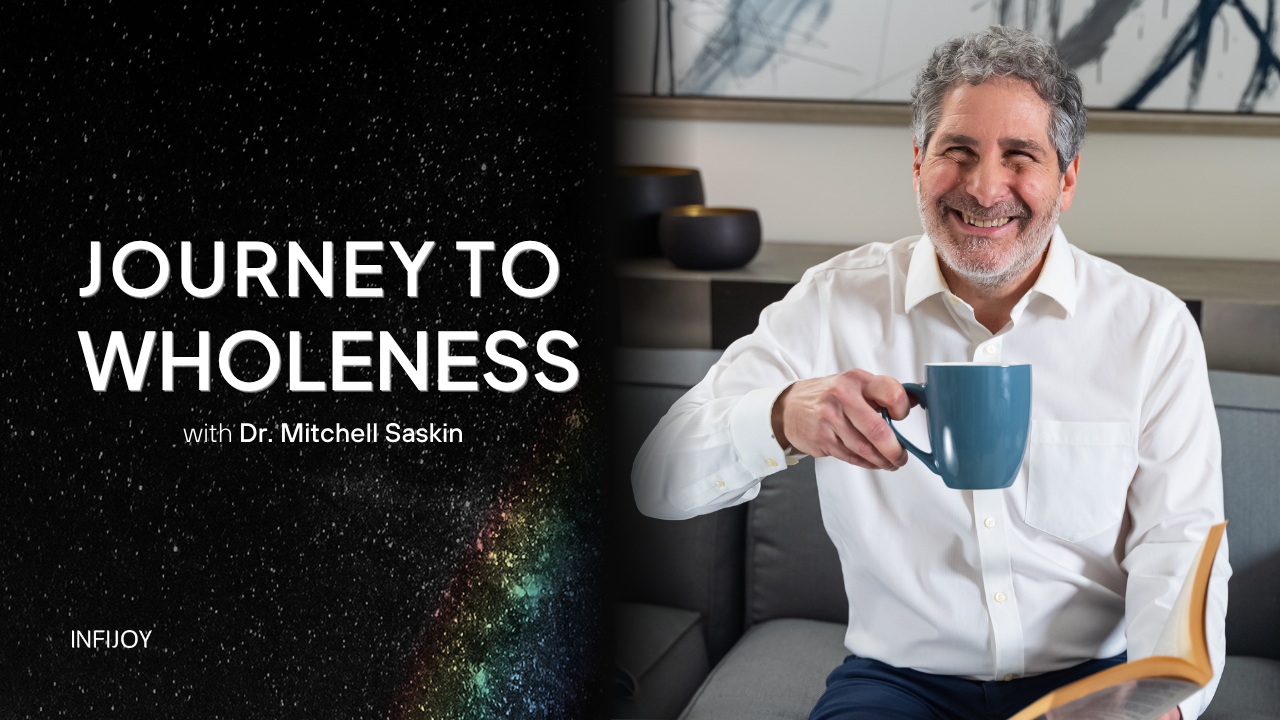
Discover a Deeper Path Forward in Journey to Wholeness
Download the information pack & learn how this course can help you understand your patterns, reconnect with yourself & move towards greater inner peace.
A Different Way to Understand Anxiety, Trauma & Life Transitions
Imagine seeing:
- anxiety as energy that's become trapped in the future
- depression as emotional energy still connected to the past
- trauma as something that can be understood with compassion rather than shame
- endings and uncertainty as opportunities for growth rather than experiences to fear
These ideas form part of a psycho-spiritual framework that encourages a deeper understanding of emotional challenges; not by denying difficult emotions, but by learning to work with them in a more meaningful way.
If You're Ready to Stop Feeling Stuck
If you've been searching for something deeper than quick fixes...
If you want more than surface-level coping strategies...
If you're looking for a way to better understand yourself through both psychology and spirituality...
The Journey to Wholeness course offers a structured path designed to help you do exactly that.