What Is a Dopamine Detox? Separating the Science From the Social Media Hype
Aug 28, 2026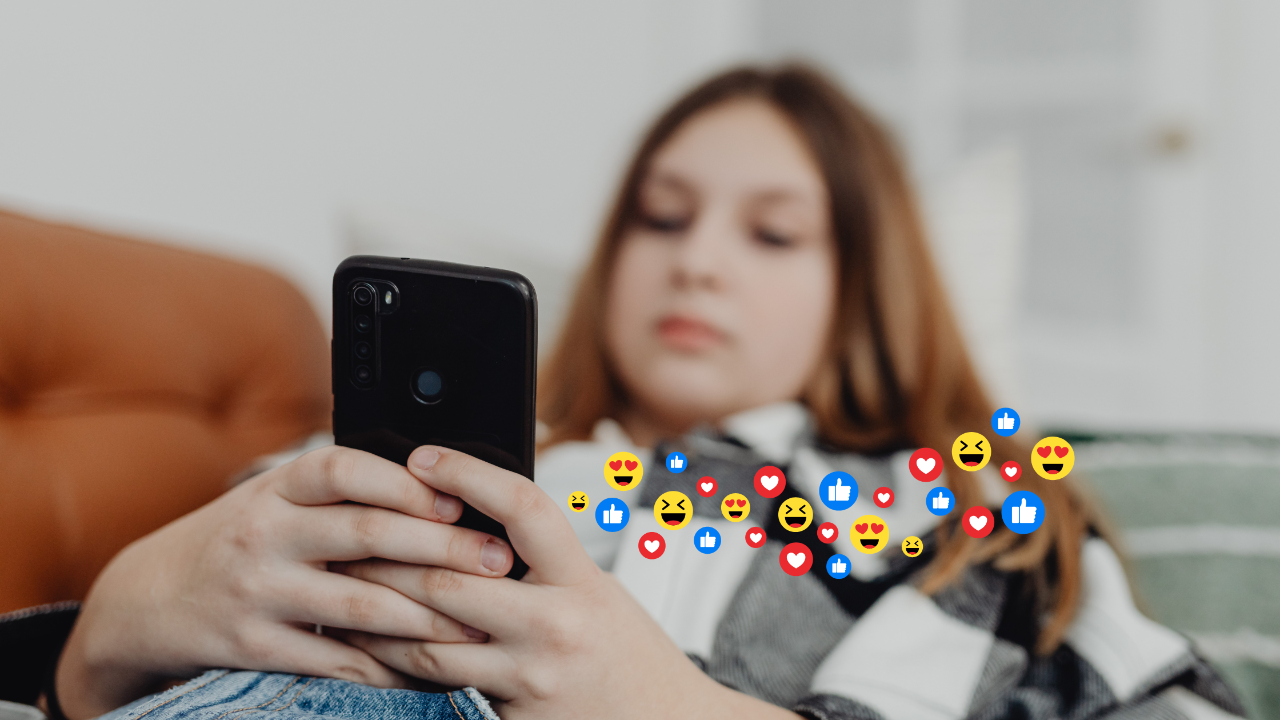
Separating the Science From the Social Media Hype
If you've spent any time on social media recently, you've probably come across the term "dopamine detox." Some people claim it can help you become more productive, break bad habits, improve your focus, and even reset your brain. Others dismiss it as pseudoscience.
So, what's the truth?
Like many wellness trends, the idea of a dopamine detox has been simplified and misunderstood online. While you can't actually "detox" from dopamine, there is a valuable concept behind the trend. It encourages us to take a closer look at our habits, reduce constant overstimulation, and become more intentional about where we direct our attention.
Understanding the science can help you use this idea in a way that genuinely supports your well-being.
What Is Dopamine?
Dopamine is often called the brain's "feel-good chemical," but that's only part of the story.
In reality, dopamine is a neurotransmitter that plays an important role in motivation, learning, reward, and goal-directed behavior. Rather than simply making us feel happy, dopamine helps drive us to seek experiences that our brain believes will be rewarding.
When you complete a task, receive a message, eat your favorite food, or achieve a goal, dopamine helps reinforce those behaviors, making you more likely to repeat them in the future.
This system has been essential for human survival. It motivates us to find food, build relationships, learn new skills, and pursue meaningful goals.
The challenge is that today's world provides an almost endless stream of quick rewards that our brains weren't designed to navigate.
Why Does Everything Feel So Stimulating?
Modern life constantly competes for our attention.
Notifications, endless scrolling, streaming platforms, online shopping, fast-paced entertainment, and instant access to information all provide frequent opportunities for small bursts of reward.
None of these activities is inherently bad. The issue is that when our brains become accustomed to constant stimulation, quieter activities can begin to feel less satisfying.
Reading a book, having a conversation, taking a walk, or sitting with your thoughts may suddenly seem boring—not because they are, but because your brain has become used to rapid changes in stimulation.
This can leave us feeling distracted, restless, and constantly searching for the next thing to capture our attention.
Can You Actually Detox From Dopamine?
The short answer is no.
Your brain naturally produces dopamine, and it is essential for healthy functioning. You cannot remove it from your body, nor would you want to.
The term "dopamine detox" is therefore misleading.
What people are usually referring to is taking a break from highly stimulating activities that encourage compulsive or automatic behaviors. Instead of trying to reduce dopamine itself, the goal is to reduce constant exposure to activities that make it difficult to focus, be present, or enjoy slower, more meaningful experiences.
A more accurate term might be an "attention reset" or a "digital reset."
Where Did the Idea Come From?
The concept gained popularity after psychologist Dr. Cameron Sepah introduced a structured approach called "dopamine fasting." His work was based on principles from cognitive behavioral therapy rather than on removing dopamine from the brain.
The idea was never about eliminating pleasure or avoiding everything enjoyable. Instead, it encouraged people to become aware of impulsive behaviors and create healthier boundaries around activities that had become automatic or excessive.
Over time, social media transformed this nuanced idea into videos suggesting people should avoid music, talking, eating enjoyable food, or engaging in any pleasurable activity for a day. These extreme versions are not supported by scientific evidence.
Signs You May Benefit From a Reset
You don't need to eliminate technology or stop enjoying life's pleasures to improve your relationship with stimulation.
However, it may be worth reflecting on your habits if you struggle to focus on one task without checking your phone, feel uncomfortable during quiet moments, automatically reach for a screen whenever you're bored, or find yourself endlessly scrolling despite not enjoying it.
You may also notice that activities you once loved now feel less engaging because your attention has become fragmented.
These experiences don't mean your brain is damaged. They simply suggest that your attention may have become stretched by the demands of modern life.
Join INFIJOY’s membership today to access a range of well-being resources, including video lessons, guided meditations, and articles.
What a Healthy "Dopamine Detox" Looks Like
Instead of trying to avoid pleasure, focus on creating more balance in your day.
You might choose to silence unnecessary notifications, avoid checking your phone first thing in the morning, or set aside dedicated periods where you work without digital interruptions.
Making space for slower activities can also help. Spending time in nature, journaling, reading, practicing mindfulness, exercising, creating art, or having uninterrupted conversations all encourage your brain to engage in a different way.
These activities may feel less exciting at first, but over time they can become deeply rewarding because they support sustained attention, emotional regulation, and genuine connection. The goal is to create more space for your mind to slow down.
It's About Awareness, Not Perfection
Many of us reach for our phones without even realizing it. We switch between apps, emails, and conversations while trying to complete other tasks, leaving our brains in a near-constant state of distraction.
Simply noticing these patterns is an important first step.
Ask yourself whether you're choosing an activity intentionally or reacting automatically. Are you opening an app because you need something, or because you're avoiding boredom, stress, or uncomfortable emotions?
There is no need to judge yourself; curiosity is far more helpful than criticism.
Giving Your Brain Time to Recover
Our brains are remarkably adaptable. This ability, known as neuroplasticity, means that our habits can change over time. The more we practice focusing on one thing at a time, tolerating moments of boredom, and engaging in activities that require deeper attention, the easier those behaviors become.
You don't need to spend an entire weekend offline to experience the benefits. Even small moments of reduced stimulation throughout your day can help you feel calmer, more focused, and more connected to the present.
Finding Balance in a Distracted World
Well-being isn't about following every viral wellness trend. It's about understanding the science behind our minds and bodies so we can make choices that genuinely support our health.
The idea behind a dopamine detox isn't to remove joy from your life. It's to become more intentional about how you spend your time and attention. When we create space away from constant stimulation, we often rediscover the simple pleasures that contribute to lasting well-being: meaningful conversations, creative expression, movement, mindfulness, learning, and moments of quiet reflection.
In a world designed to capture your attention, choosing where to place it may be one of the most powerful well-being practices of all.
Join INFIJOY’s membership today to access a range of well-being resources, including video lessons, guided meditations, and articles.