Emotional Resilience
What it is, why it matters more now, and what gets in the way of children building it.
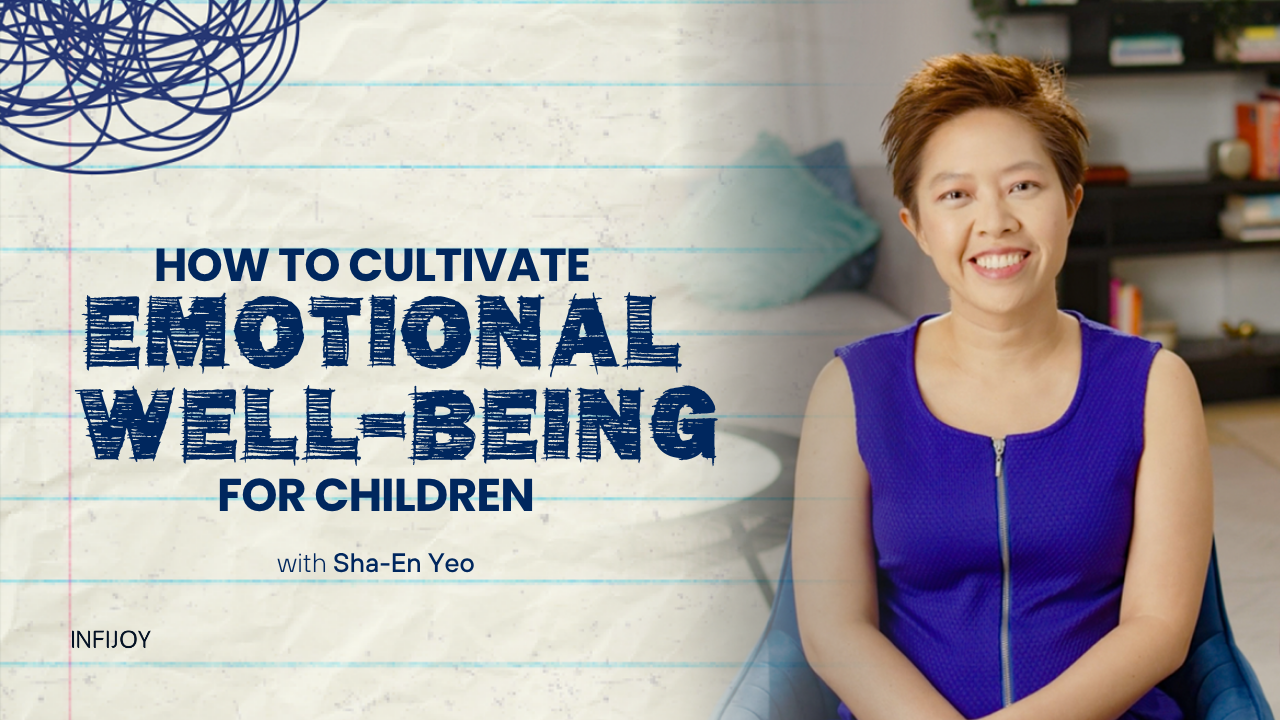
A two-week course with Sha-En Yeo, Singapore's first Happiness Scientist and a two-time TEDx speaker. Practical tools for parents and educators to build emotional resilience in preteens and adolescents.
2 weeks · 10 lessons · 2 hours · certificate · lifetime access
Join now for $129.9948-hour money-back guarantee · Secure checkout · Instant access
A two-week path from understanding what emotional resilience actually is to becoming the adult a child brings their difficult feelings to — in about ten minutes a day.
What it is, why it matters more now, and what gets in the way of children building it.
Expanding the words a preteen or teenager has for what is happening inside them.
How to make expressing a difficult feeling safe, so it gets said rather than buried.
Moving from fixing the problem to coaching the child through the feeling itself.
The skills that let a child sit with someone else's distress without absorbing it.
What changes in you as the parent or educator, because that is where it starts.
Wanting to help and not knowing how is the most common place to be. It is not a failure of love — it is a set of skills nobody taught you.

Something is clearly wrong and the conversation closes before it opens. You can see it and cannot reach it.
What comes out is anger, withdrawal or a slammed door, because there are no words attached to it yet.
You want the distress to stop, so you solve. And the child learns that feelings are problems to be removed.
Comparison, pressure and permanent visibility. The world they are managing is not the one you grew up in.
Children are not born knowing how to name a feeling, sit with it, or ask for help. Those are learnable skills — and the adult who models them is the one who teaches them.
The aim is not a calmer child in the moment. It is a young person with the vocabulary, the skills and the safety to handle what comes — long after you stop being in the room.
Support children to stay steady while navigating the ordinary difficulty of growing up.
Build the skills from a young age, when they take hold most easily and cost least to learn.
Tools that leave a child better equipped to manage a difficult emotion rather than flooded by it.
Become someone they bring things to — and watch confidence and happiness follow from that.
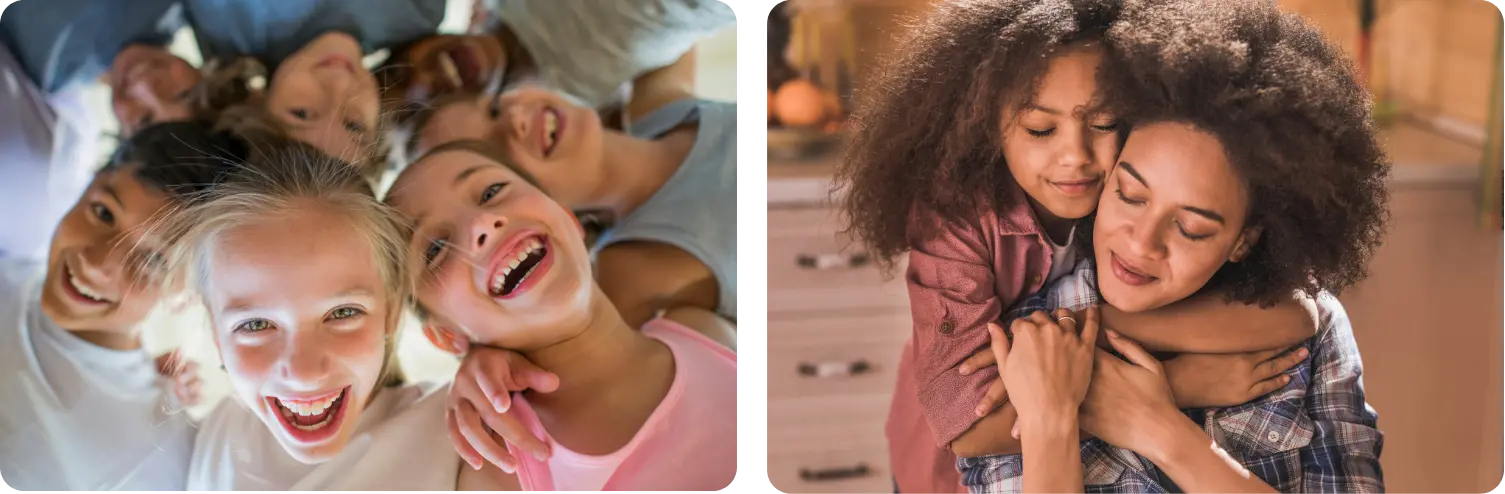
You take the course; the child gets the benefit. Sha-En spent over a decade in education watching academically strong students struggle with failure, and built this from what actually helped them.
Join now for $129.99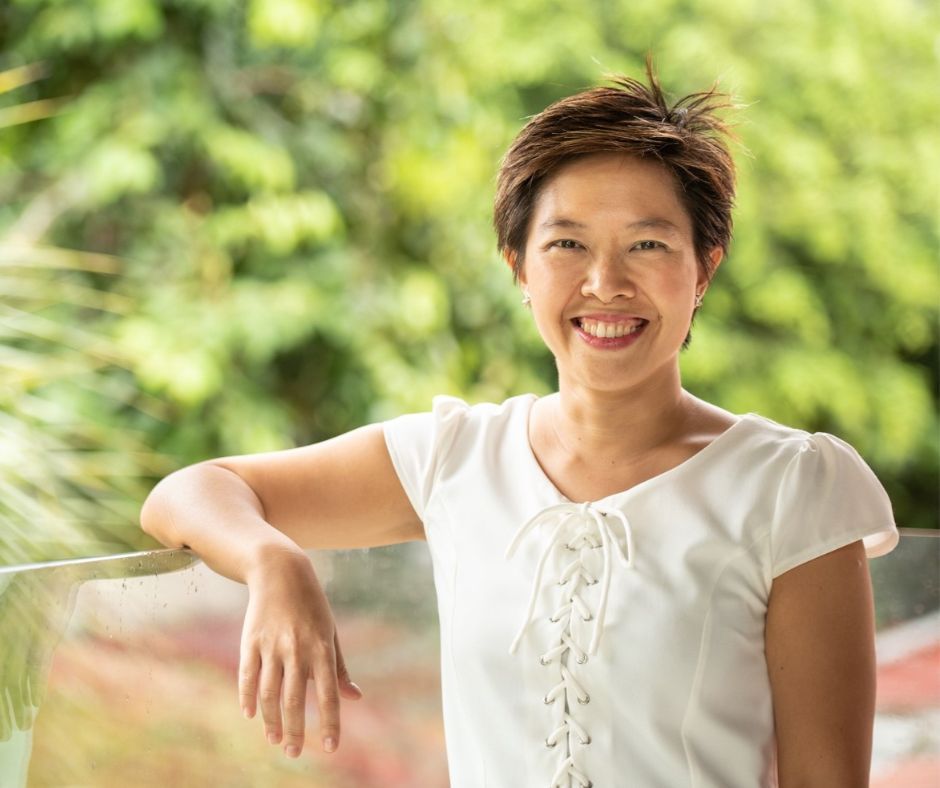
Sha-En is Singapore's first Happiness Scientist, a two-time TEDx speaker and the founder of Happiness Scientists. A former teacher, she spent over a decade in education watching academically brilliant students struggle to handle failure — which is what led her to positive psychology in the first place.
She holds an MSc in Applied Positive Psychology from the University of Pennsylvania and has trained more than 25,000 people, from educators to C-suite executives. She has been named one of LinkedIn Asia's top mental health advocates, panelled at the Nobel Prize Dialogue Singapore, and works with the Singapore Positive Education Network.
A former teacher and Ministry of Education Guidance Branch alumna, Sha-En has championed well-being in schools for over a decade and collaborates with the Singapore Positive Education Network.
Through Happiness Scientists she has delivered programmes for VISA, GIC, CapitaLand and the Principals Academy, and spoke at Nobel Prize Dialogue Singapore in 2022.
The years when the door starts closing, and having the right words matters most.
Sha-En's own background. The material was built for classrooms as much as kitchens.
Anyone a child talks to. The skills belong to the relationship, not the job title.
Where emotional support is part of the role but rarely part of the training.
Emotional intelligence is easiest to build early, before the harder years arrive.
No background in psychology needed. Everything is built from the ground up.
Built to fit around a family: 10 short lessons with expert videos, a daily task with each one, two hours of on-demand learning and lifetime access to the videos and notes. A certificate of completion comes with it.
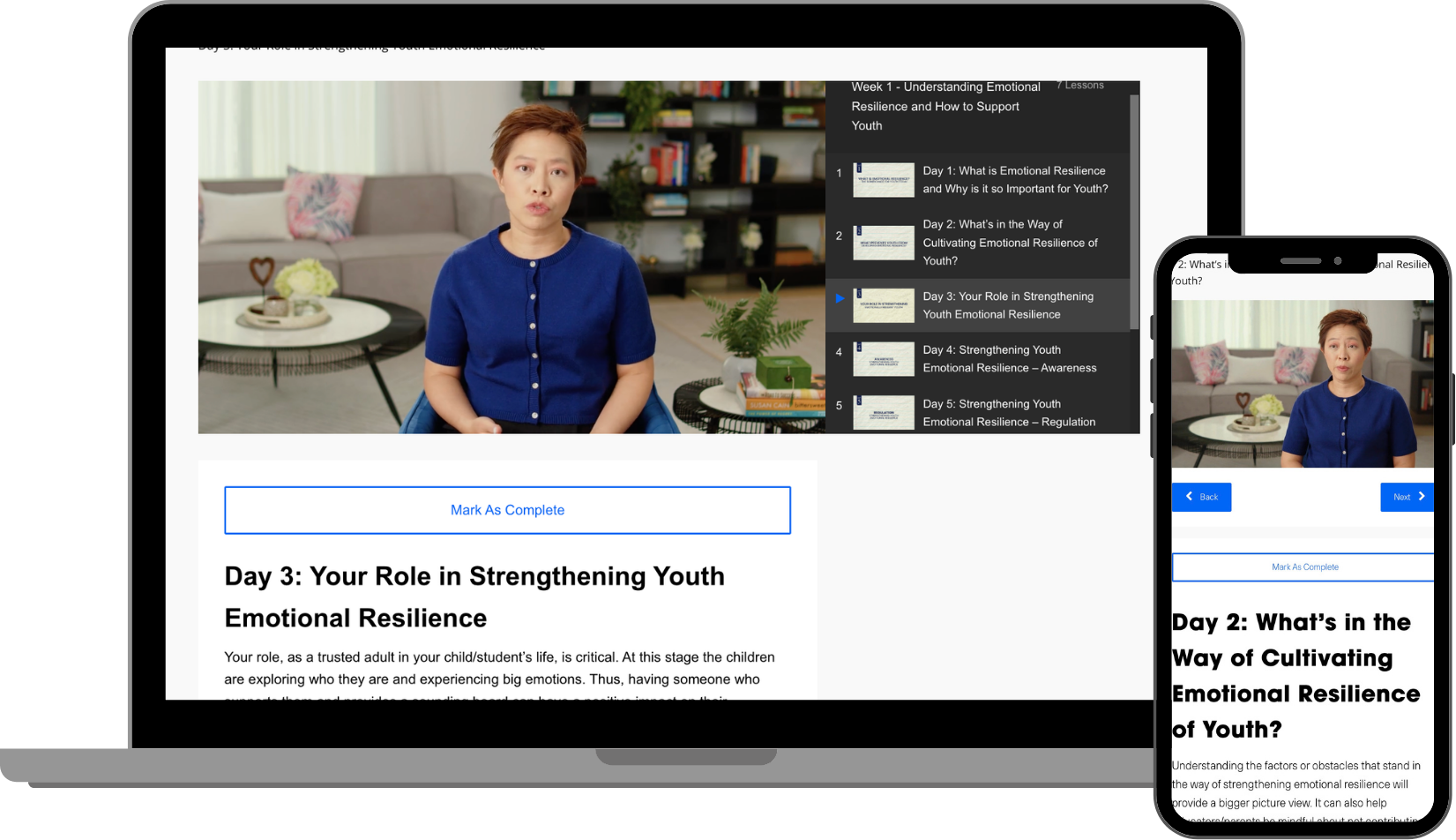
Week one is about seeing clearly — what resilience is, what blocks it, and what your role actually is. Week two is the practical work of strengthening it.
What emotional resilience actually is, and why it matters particularly for young people right now. This week looks at what gets in the way of preteens and adolescents developing it, and at your own role as a parent or educator. Awareness comes first — and expanding a young person's emotional vocabulary starts with the adult understanding what they are looking at.
Creating space for healthy emotional expression is the first step, but space alone is not enough — support has to come with it. This week is about becoming an emotion coach: the practical skill that lets a young person meet an uncertain world with a sense of foundation underneath them.
If within the first two days you feel this is not the right fit, email support@infijoy.com and we will refund your enrolment fee in full — no questions, no forms.
Buy Emotional Well-Being in Children & Teens outright, or join Infijoy membership for all 37 expert-led courses.
48-hour money-back guarantee · Instant access
$299.99 billed yearly · Cancel anytime · 7-day guarantee
Still unsure? Email support@infijoy.com and we will answer.
For you. It teaches parents, educators and carers how to support a young person's emotional resilience — the vocabulary to use, the space to create, and how to coach a feeling rather than fix a problem. The child benefits without ever watching a lesson.
The focus is preteens and adolescents, where emotional vocabulary and resilience are most tested. Much of it applies earlier too — emotional intelligence is easiest to build from a young age, before the harder years arrive.
Two hours of on-demand learning in total, across ten short lessons over two weeks. Each lesson comes with a task designed to fit into an ordinary family week rather than compete with it.
Yes. Start whenever you are ready and work at your own pace. Lifetime access means you can return when a child reaches a new stage — which, in practice, is when most people come back to it.
Across the two weeks you will learn how to:
An adult who helps a young person recognise and work through a feeling, rather than removing the situation that caused it. Week two is built around this, because it is the skill that transfers — the child keeps it long after the conversation ends.
None. No background in psychology or education is assumed. Every concept is built from the ground up.
Sha-En Yeo holds an MSc in Applied Positive Psychology from the University of Pennsylvania. She is Singapore's first Happiness Scientist, a two-time TEDx speaker and founder of Happiness Scientists, a former teacher with over a decade in education, and has trained more than 25,000 people. She has been recognised as one of LinkedIn Asia's top mental health advocates.
Lifetime access to all ten lessons and the accompanying notes, so you can return whenever you need it.
No. This is educational well-being content for parents and educators. It is not therapy, diagnosis, or treatment for any condition. If a child is in distress or you have concerns about their mental health, please speak to a qualified professional such as a GP, school counsellor or child psychologist.
Join Emotional Well-Being in Children & Teens and spend a fortnight learning how to help a young person name what they feel — the skill they will still be using long after they have left your house.
48-hour money-back guarantee · Secure checkout · Instant access