Art Therapy at Work: A Creative Path to Well-Being
Jan 24, 2026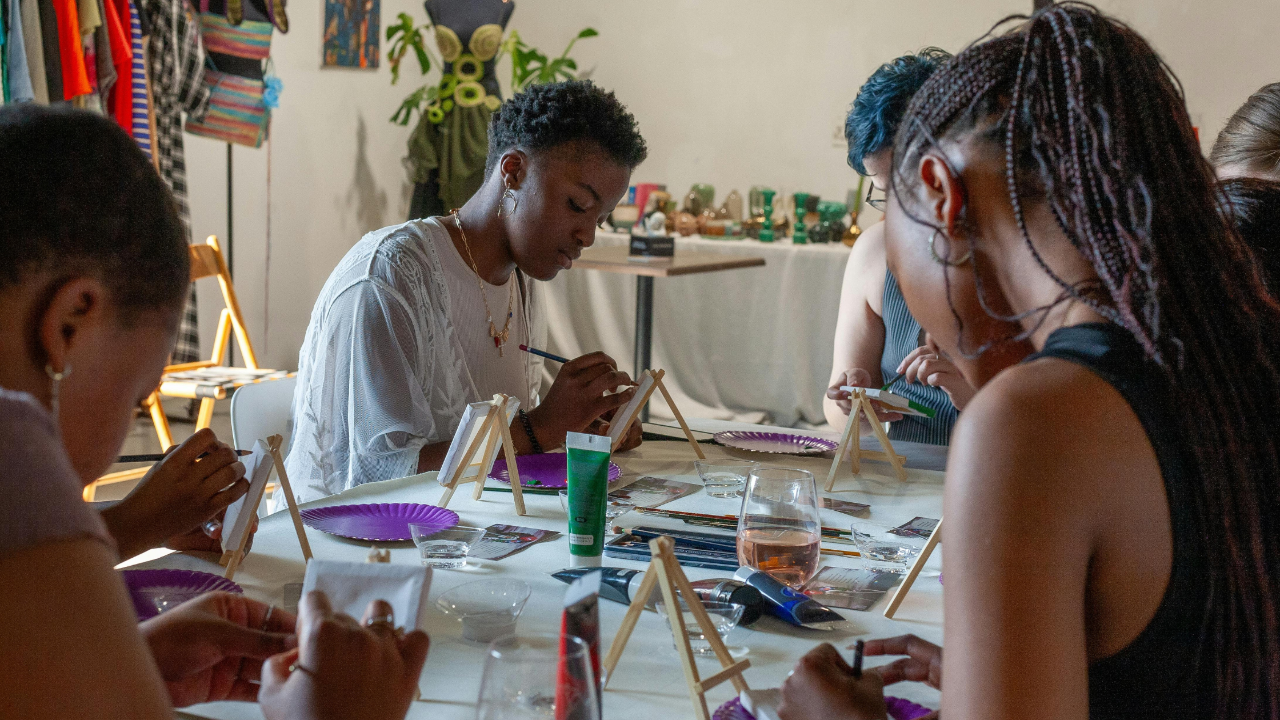
As workplaces continue to evolve, organisations are recognising that employee well-being goes far beyond physical health benefits or productivity targets. Emotional and psychological well-being play a central role in engagement, resilience, and long-term performance.
In response to rising stress and burnout, many organisations are turning to more holistic, human-centred solutions. One increasingly valued approach is art therapy in the workplace - a creative, evidence-based method that supports emotional well-being, connection, and recovery from stress.
Why Employee Well-being Matters More Than Ever
Today’s employees face constant pressure from deadlines, digital overload, and ongoing change. When emotional strain is left unaddressed, it can lead to burnout, disengagement, absenteeism, and high turnover.
Workplace well-being initiatives that support emotional expression and nervous system regulation help employees feel supported - not just managed. Art therapy offers a unique way to address emotional needs that are often difficult to express verbally.
What Is Art Therapy in the Workplace?
Art therapy in the workplace adapts therapeutic creative practices to organisational settings. Facilitated by trained professionals, sessions may involve drawing, painting, collage, or guided visual exercises designed to help employees process emotions and manage stress.
Importantly, no artistic experience is required. The value lies in the creative process itself - not in producing polished artwork. Art therapy provides a safe, non-judgmental space where employees can slow down, reflect, and reconnect with themselves.
Workplace art therapy can be delivered through:
-
Group well-being workshops
-
Team-based creative sessions
-
Short interventions during high-stress periods
-
Ongoing employee well-being programs
Bring creativity into your workplace well-being strategy. Partner with Infijoy to support your team through engaging art therapy sessions that reduce stress, boost connection, and support mental well-being.
How Art Therapy Supports Employee Well-Being
Art therapy engages emotional, sensory, and cognitive systems simultaneously. This holistic engagement helps regulate the nervous system, reduce mental overload, and encourage emotional awareness.
By shifting focus away from constant problem-solving, creative activities allow employees to experience calm, presence, and psychological relief - essential components of sustainable well-being at work.
Key Benefits of Art Therapy in the Workplace
1. Reduces Stress and Supports Burnout Prevention
Creative expression has been shown to lower stress hormones and activate relaxation responses. Art therapy offers employees a restorative pause from cognitive demands, helping prevent emotional exhaustion.
Benefit:
-
Lower stress levels
-
Reduced burnout risk
-
Improved emotional recovery
2. Encourages Healthy Emotional Expression
Workplace environments often discourage open emotional expression. Art therapy creates a safe outlet for emotions such as frustration, overwhelm, or uncertainty - without the need to explain or justify feelings.
Benefit:
-
Improved emotional awareness
-
Healthier emotional release
-
Better stress coping
3. Enhances Engagement and Connection
Participating in creative activities together fosters empathy and connection. Art therapy sessions encourage shared experiences that strengthen team relationships and improve communication.
Benefit:
-
Increased sense of belonging
-
Stronger team cohesion
-
Higher employee engagement
4. Builds Psychological Safety at Work
Psychological safety is essential for innovation and well-being. Art therapy promotes curiosity over judgment, helping employees feel seen and supported in a low-pressure environment.
Benefit:
-
Increased trust and openness
More inclusive work culture -
Greater emotional safety
5. Supports Creativity and Adaptability
Creativity supports problem-solving and flexibility - skills that are increasingly important in modern workplaces. Art therapy encourages employees to think differently and approach challenges with greater openness.
Benefit:
-
Enhanced creative thinking
-
Greater adaptability to change
-
Renewed motivation
Common Art Therapy Activities Used in Workplace Settings
Art therapy activities at work may include:
-
Guided drawing or painting for stress relief
-
Colour-based exercises to explore emotional states
-
Visual journaling for reflection and goal setting
Collaborative art projects to support teamwork -
Symbol-based activities to process work experiences
All activities are designed to be inclusive, accessible, and respectful of individual comfort levels.
Who Can Benefit From Workplace Art Therapy?
Art therapy can benefit:
-
Employees experiencing high stress or burnout
-
Fast-paced or high-pressure teams
-
Leaders navigating change or uncertainty
-
Organisations seeking to strengthen well-being culture
It is suitable across industries and roles, offering value at both individual and organisational levels.
Employee well-being thrives when organisations acknowledge the emotional realities of work. Art therapy offers a creative, science-backed approach that supports stress reduction, emotional regulation, and meaningful connection.
By integrating art therapy into workplace well-being strategies, organisations can foster healthier, more engaged teams - where employees feel supported as whole human beings.
At Infijoy, we believe effective employee well-being solutions are holistic, evidence-based, and deeply human. Creative approaches like art therapy play an important role in building sustainable well-being at work.