How to Practice Art Therapy at Home (No Experience Needed)
Sep 17, 2026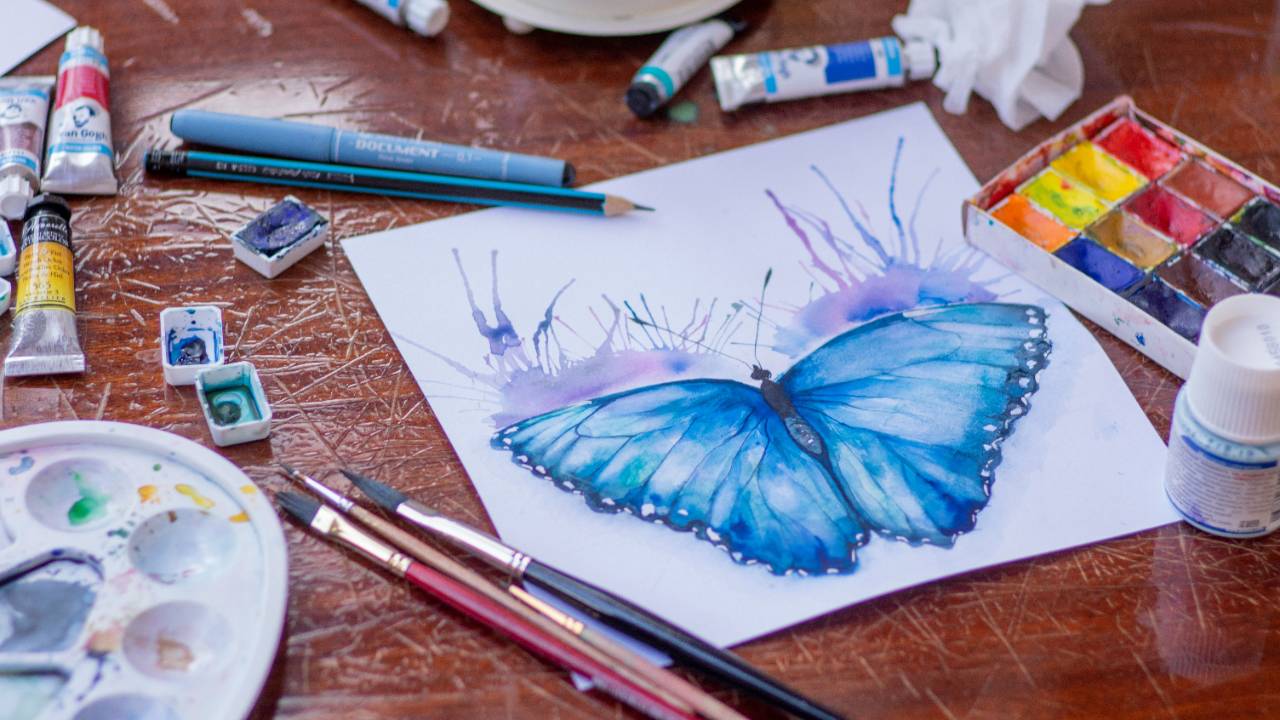
When was the last time you created something simply for the joy of making it, without worrying whether it was good?
For many adults, art becomes something we admire rather than something we actively do. Somewhere along the way, we may start believing we’re “not creative,” can’t draw, or need the right materials and skills before we can begin. But the benefits of making art have little to do with artistic ability or the finished result.
Choosing colours, moving a pencil across a page, experimenting with shapes, or arranging images into a collage can create a simple opportunity to slow down and reconnect with yourself. The process can give your mind a break from constant thinking and create space to notice thoughts, emotions and sensations that might otherwise go unnoticed.
Creative activities can support emotional expression, mindfulness and stress relief, and you don’t need an art studio or expensive materials to experience these benefits. A piece of paper and a pen can be enough.
The goal isn’t to create a masterpiece. It’s to let go of judgment, get curious and see what emerges when you give yourself permission to simply create.
Why Creative Expression Can Feel Therapeutic
Emotions aren’t always easy to put into words. Sometimes you know that something feels heavy, unsettled, or complicated, but you can’t quite explain why. Creative expression offers another way to explore what you’re experiencing, without needing to find the “right” words.
Lines, shapes, textures and colours can give form to feelings that may be difficult to articulate. Your artwork can become a place to put thoughts or emotions that have been taking up space in your mind. Once they are on the page, you may find it easier to step back, observe them with curiosity and begin to understand what you’re experiencing.
Research into art-making and art therapy suggests that creative activities may support emotional regulation, reduce stress and contribute to psychological well-being. In a small study of healthy adults, 45 minutes of visual art-making was associated with reduced cortisol levels in most participants.
What You Need to Get Started
Try to give yourself at least 15 to 30 uninterrupted minutes. Silence notifications, protect the surface you are working on, and wear clothes that can handle a little mess.
Begin with whatever materials feel accessible, such as:
-
Plain paper, a notebook, or recycled cardboard
-
Pencils, pens, crayons, or markers
-
Watercolours or inexpensive paints
-
Old magazines, newspapers, or printed photographs
-
Scissors and glue
-
Clay, modelling dough, or natural materials
Simple Art Activities to Try at Home
Draw Your Emotion as Weather
-
Ask yourself, “If my current emotional state were weather, what would it look like?”
-
It might be a storm, mist, strong wind, bright sunlight, or several conditions happening at once. Use colours and marks to create that weather without trying to make it realistic.
-
When you finish, notice what stands out. Where is the most energy? Is there any clear or calm space? What might the picture be asking you to acknowledge?
Create a Scribble Drawing
-
Place your pen or pencil on the page and make one continuous scribble for 20 to 30 seconds. Let your hand move freely.
-
Then turn the page in different directions and look for shapes or images hidden within the lines.
-
Add colour or detail to anything you notice. This playful exercise can reduce the pressure to “get it right” because the starting point is intentionally unplanned.
Make a “What I Need” Collage
-
Look through magazines, photographs, or printed images and select anything that represents what you need more of right now. You may be drawn to rest, space, connection, movement, nature, courage, or joy.
-
Arrange the images on a page before glueing them down. As you work, ask yourself why certain images feel important. When the collage is complete, choose one small need you can honour in daily life.
Design a Safe or Calming Place
-
Draw, paint, or build an imaginary place where you would feel secure and at ease. It can be realistic or completely fantastical.
-
Consider the colours, sounds, textures, people, animals, or objects that belong there. What is outside the space? What protects its boundaries? What helps you breathe more easily when you imagine being there?
-
This activity can be soothing, but stop if it unexpectedly brings up distressing memories or sensations. Ground yourself by looking around the room, feeling your feet on the floor, and naming objects you can see.
Make Two Pictures: “Now” and “Next”
-
Divide a page in half. On one side, represent how life feels now. On the other, show how you would like to feel or respond next.
-
The second image does not need to show a perfect future. It might simply include more breathing room, a stronger boundary, one supportive person, or a small sign of hope.
-
When you finish, look for one bridge between the two images. What realistic action could move you a little closer to the “next” side?
At INFIJOY, we believe there are many ways to deepen self-awareness — from mindfulness and journaling to movement and creative expression. Our psychology-informed courses and art therapy programs offer practical tools to help you understand yourself, support your mental well-being and build meaningful habits at your own pace.