The Role of Art Therapy in Modern Corporate Well-being Strategies
Feb 02, 2026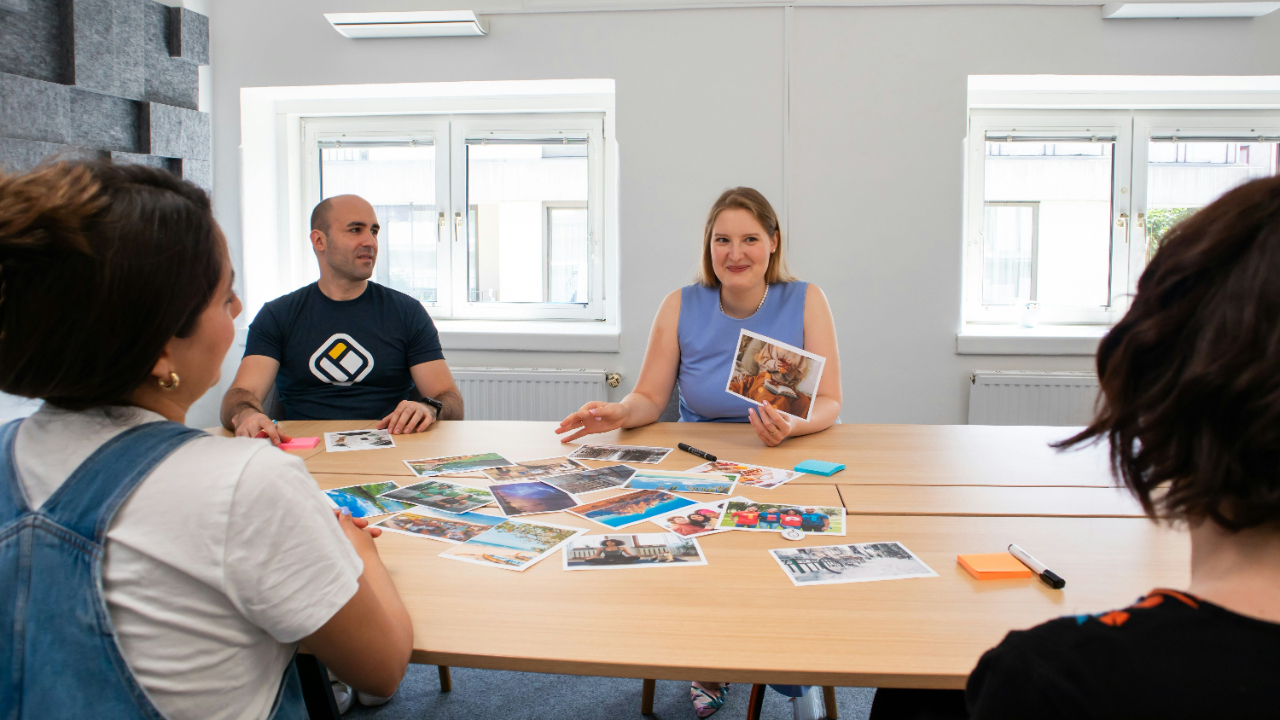
Corporate well-being has undergone a significant shift in recent years. Once centred primarily on physical health benefits and productivity incentives, modern well-being strategies now recognise the critical importance of emotional and psychological health.
As organisations navigate rising burnout, disengagement, and workplace stress, there is growing interest in approaches that support employees as whole human beings. Art therapy is emerging as a powerful and innovative component of modern corporate well-being strategies, offering a creative, evidence-based way to support emotional health, resilience, and engagement.
The Evolution of Corporate well-being
Traditional corporate well-being initiatives often focused on surface-level interventions—gym memberships, wellness challenges, or productivity tools. While valuable, these approaches alone are no longer sufficient in addressing the emotional strain employees face in fast-paced, high-pressure environments.
Modern well-being strategies are shifting toward:
-
Emotional and mental health support
-
Psychological safety and inclusion
-
Sustainable performance and engagement
Art therapy aligns naturally with this evolution by addressing emotional well-being at a deeper, more human level.
Bring creativity into your workplace well-being strategy. Partner with Infijoy to support your team through engaging art therapy sessions that reduce stress, boost connection, and support mental well-being.
What Is Art Therapy in a Corporate Context?
In corporate settings, art therapy adapts therapeutic creative practices to support employee well-being rather than clinical treatment. Facilitated by trained professionals, sessions may involve drawing, painting, collage, or guided visual reflection exercises.
The emphasis is not on artistic skill, but on creative expression as a tool for emotional processing and stress regulation. Art therapy provides employees with a safe, non-verbal outlet for emotions that are often difficult to express in traditional workplace conversations.
Corporate art therapy may be delivered through:
-
well-being workshops or offsites
-
Team-based creative sessions
-
Leadership well-being programmes
-
Ongoing mental health initiatives
Why Art Therapy Fits Modern Corporate well-being Strategies
Art therapy complements existing well-being initiatives by addressing areas that are often overlooked - emotional regulation, burnout recovery, and psychological safety.
Creative expression engages emotional, sensory, and cognitive processes simultaneously, making it particularly effective in environments where stress is high and emotional expression is limited.
Key Benefits of Art Therapy in Corporate well-being
1. Reduces Chronic Stress and Burnout
Art-making has been shown to reduce stress hormones and promote relaxation. In corporate settings, art therapy offers employees a pause from constant decision-making and cognitive load, supporting recovery from ongoing stress.
Benefit:
-
Lower stress levels
-
Reduced emotional exhaustion
-
Improved long-term resilience
2. Supports Emotional Regulation and Self-Awareness
Art therapy helps employees recognise and process emotions before they escalate into burnout or disengagement. Increased emotional awareness allows individuals to manage reactions, set boundaries, and respond more thoughtfully at work.
Benefit:
-
Improved emotional regulation
-
Greater self-awareness
-
Healthier coping strategies
3. Strengthens Engagement and Sense of Belonging
When employees feel emotionally supported, engagement naturally increases. Art therapy sessions encourage openness, shared experiences, and human connection - key drivers of engagement and retention.
Benefit:
-
Stronger team connection
-
Increased engagement
-
Improved workplace morale
4. Enhances Psychological Safety and Trust
Psychological safety is essential for innovation and collaboration. Art therapy creates non-judgmental spaces where employees can express themselves without fear of evaluation or performance pressure.
Benefit:
-
Increased trust and openness
-
More inclusive workplace culture
-
Stronger team dynamics
5. Encourages Creativity and Adaptive Thinking
Modern workplaces require adaptability and creative problem-solving. Art therapy activates flexible thinking and encourages new perspectives - skills that translate directly into workplace innovation.
Benefit:
-
Enhanced creative thinking
-
Greater adaptability to change
-
Renewed motivation and energy
How Art Therapy Is Integrated Into Corporate well-being Programs
Art therapy can be integrated into corporate well-being strategies in flexible and scalable ways, including:
-
Short creative well-being sessions during high-stress periods
-
Team workshops focused on stress relief or connection
-
Leadership programmes supporting emotional resilience
-
Hybrid or online creative well-being experiences
These sessions are designed to be inclusive, accessible, and aligned with organisational culture.
Who Benefits Most From Corporate Art Therapy?
Art therapy supports a wide range of corporate audiences, including:
-
Employees experiencing stress or burnout
-
High-pressure teams and leadership roles
-
Organisations undergoing change or transformation
-
Companies seeking innovative well-being solutions
No creative background is required - only openness to the experience.
Modern corporate well-being strategies must go beyond surface-level solutions to address the emotional realities of today’s workforce. Art therapy offers a creative, science-backed approach that supports stress reduction, emotional resilience, and meaningful engagement.
By integrating art therapy into corporate well-being initiatives, organisations can foster healthier cultures where employees feel supported, valued, and empowered to thrive.