How Art Therapy Can Support Workplace Mental Health & Reduce Burnout
Jan 30, 2026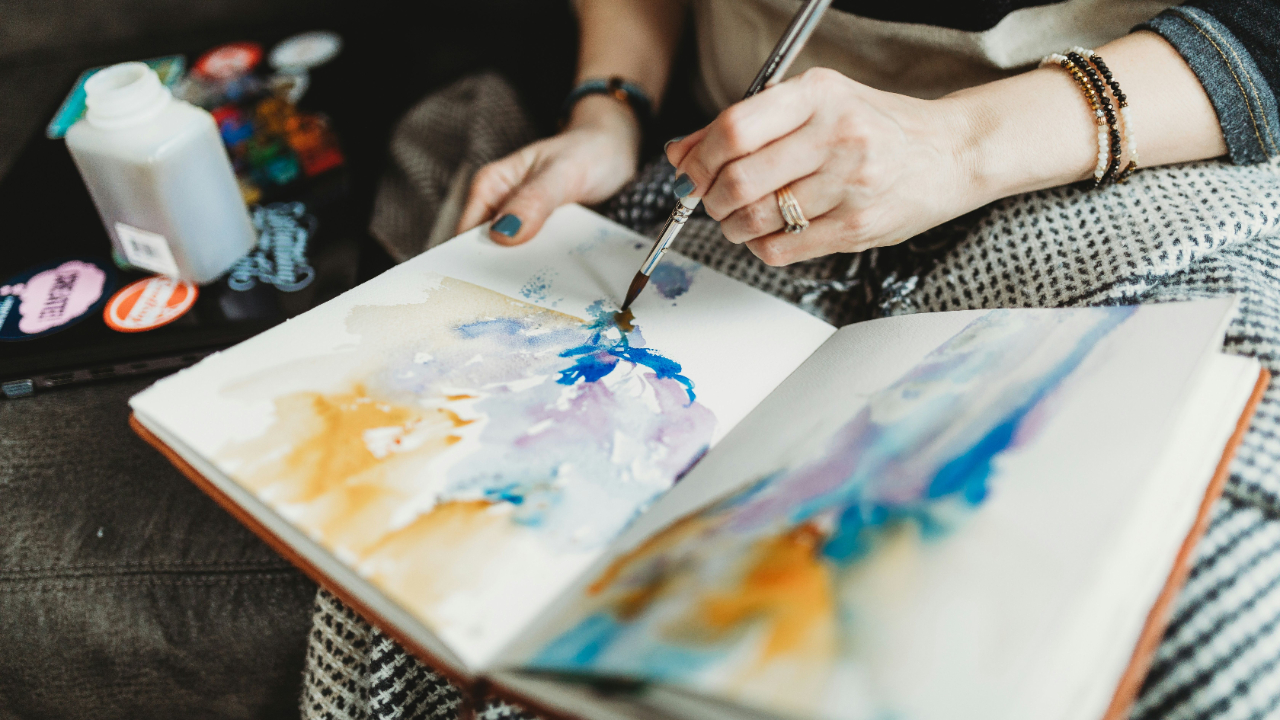
Workplace mental health has become a critical concern for organisations worldwide. Rising workloads, constant connectivity, and prolonged uncertainty have contributed to increased stress, emotional exhaustion, and burnout across industries.
While traditional workplace wellness initiatives play an important role, many employees struggle to process stress through conversation alone. Art therapy offers a creative, evidence-based approach to supporting workplace mental health - helping employees regulate stress, process emotions, and recover from burnout.
Understanding Workplace Mental Health and Burnout
Workplace mental health encompasses emotional, psychological, and social well-being at work. When stress is ongoing and unmanaged, it can lead to burnout - characterised by exhaustion, detachment, and reduced sense of accomplishment.
Burnout is not simply a lack of motivation; it is a nervous system response to prolonged pressure. Effective mental health support must therefore address both emotional processing and physiological regulation - areas where art therapy is particularly effective.
What Is Art Therapy in the Workplace?
Art therapy in workplace settings adapts therapeutic creative practices to support employee well-being rather than clinical treatment. Guided by trained facilitators, employees engage in creative activities such as drawing, painting, or visual reflection to explore emotions and manage stress.
The emphasis is on process, not performance. No artistic skill is required - art becomes a tool for expression, reflection, and nervous system regulation in a safe, non-judgmental environment.
Art therapy can be offered through:
-
Workplace wellbeing workshops
-
Team-based creative sessions
-
Leadership mental health programmes
-
Burnout prevention or recovery initiatives
How Art Therapy Supports Workplace Mental Health
Art therapy engages emotional, sensory, and cognitive systems simultaneously. This integrated approach helps calm the nervous system, reduce mental overload, and create space for emotional awareness.
Creative engagement allows employees to step out of constant problem-solving mode and reconnect with themselves - an essential step in maintaining mental health at work.
Key Ways Art Therapy Reduces Burnout and Supports Mental Health
1. Regulates Stress and Calms the Nervous System
Art-making has been shown to lower cortisol levels and activate the body’s relaxation response. The rhythmic and sensory nature of creative activities helps employees move out of “fight-or-flight” mode and into a calmer state.
Benefit:
-
Reduced stress and anxiety
-
Improved emotional regulation
-
Greater sense of calm
2. Provides a Safe Outlet for Emotional Expression
Workplace stress often goes unspoken. Art therapy offers a non-verbal outlet for emotions such as frustration, overwhelm, or fatigue - without the pressure to explain or justify feelings.
Benefit:
-
Healthy emotional release
-
Reduced emotional buildup
-
Increased emotional clarity
3. Reduces Mental Overload and Rumination
Burnout is often accompanied by constant overthinking and cognitive fatigue. Art therapy shifts attention away from analytical thinking and into creative flow, giving the mind a restorative pause.
Benefit:
-
Reduced rumination
-
Improved mental clarity
-
Renewed focus and energy
4. Restores a Sense of Control and Agency
Burnout can leave employees feeling powerless or disconnected. Creative choice-making - selecting colours, shapes, or themes - helps restore autonomy and self-efficacy.
Benefit:
-
Increased sense of control
-
Improved confidence
-
Greater emotional empowerment
5. Strengthens Resilience and Emotional Awareness
Art therapy encourages reflection and self-compassion rather than judgment. Over time, employees develop greater awareness of emotional patterns and learn healthier ways to cope with stress.
Benefit:
-
Improved resilience
-
Healthier stress responses
-
Reduced risk of future burnout
Common Art Therapy Activities Used in Workplace Mental Health Programs
Art therapy activities may include:
-
Free drawing or painting to release stress
-
Colour-based exercises to explore mood and energy
-
Visual journaling for reflection and emotional tracking
-
Symbol-based activities to process work experiences
-
Collaborative art projects to foster connection
These activities are designed to be accessible, inclusive, and respectful of individual comfort levels.
Who Can Benefit From Workplace Art Therapy?
Art therapy can support:
-
Employees experiencing high stress or burnout
-
Teams in fast-paced or high-pressure roles
-
Leaders navigating change and responsibility
-
Organisations prioritising mental health and retention
No creative background is required - only openness to the experience.
Supporting workplace mental health requires more than surface-level solutions. Employees need tools that help them process emotions, regulate stress, and recover from ongoing pressure.