What is Stress?
Jun 23, 2026
Are you stressed out from work, school, or relationships? It’s a normal response, especially when you’re under pressure. Stress is often part and parcel of everyday life, and in small doses, it can have positive effects by keeping you alert, motivating you, and building resilience, according to experts.
But when there’s too much of it for too long ー when you experience chronic stress, or remain in a high-stress level for a prolonged period of time ーit can easily lead to more severe consequences. This type of stress can lead to mental health issues that could drastically harm our psychological state and well-being, in addition to having physiological effects such as migraines, muscle tension, fatigue, chest pains, stomach upset, or changes in your libido, to name a few. Learning to identify when your stress becomes distress or a more serious problem ー and how to manage or relieve it ー is a crucial part of maintaining a healthy lifestyle.
What is Stress?
Generally speaking, stress is the pressure an individual experiences when responding to life-challenging situations. The American Psychological Association defines it as a physical and psychological response to stressors. It also affects our bodily systems and behavior.
Stress directs people to adjust themselves in response to challenging events. What constitutes a challenging situation can be interpreted differently by each person, but common examples include meeting deadlines or targets at work, taking exams, maintaining interpersonal relationships, or coping with chronic health issues. As these events or situations typically threaten one’s ability to function as they would in their normal life, the stress is the tension that signals the body to “be ready”.
Much like anxiety, stress is a reaction to challenging life events一but stress is different from anxiety. Stress is often triggered by a stressor, while anxiety will persist even when the stressor is gone. We will explore stressors further later on.
Explore the How to Manage Everyday Stress INFIJOY course to learn more about stress
Stress and the Story of Tigers
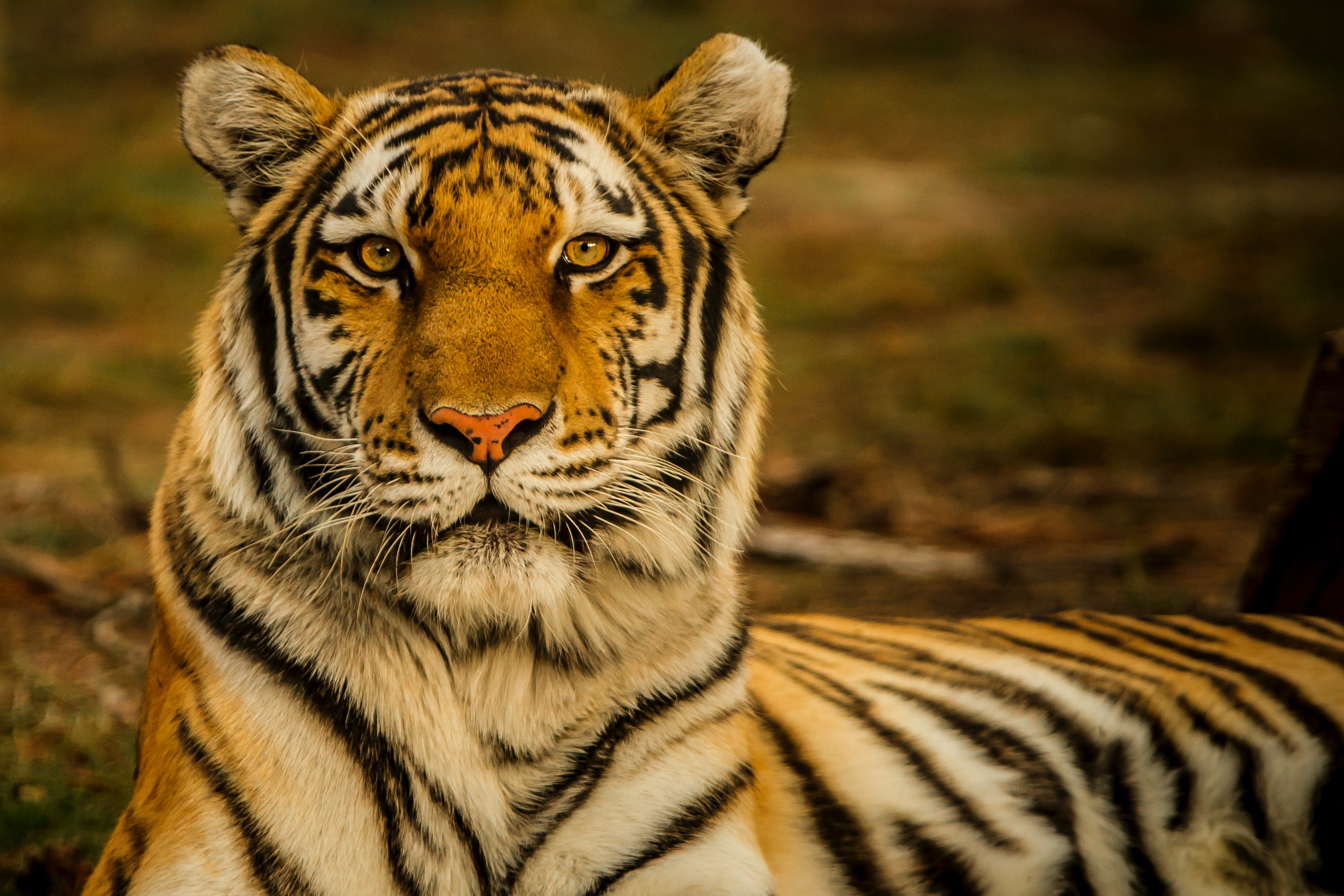
Since ancient times, tigers have been feared as apex land predators, and many animals ー including humans ー recognise them as a threat. When encountering one, our instinctual reaction is to either fight them or to run away as a means of protecting ourselves from harm or potential death.
This story of tigers illustrates the classic “fight or flight” mechanism, which is also known as "fight or freeze." When people decide to "fight," they may attempt to confront the tiger by taming or attacking it. But if they choose "flight," they run away from it, in order to escape the dangerous situation.
While the majority of us no longer have to deal with the problem of regularly facing wild animals that threaten our survival, this concept represents how we are hard-wired to deal with stressful situations, and how we still instinctively react to modern-day threats. While stress may not come at you with teeth and claws, we still understand it to be something dangerous that can harm our well-being. In this context, fighting it would mean facing the pressure head-on or finding ways to better manage it, whereas “flight” would mean escaping the stressful situation however we can. For this reason, the tiger is often used as a symbol of stress.
The Science of Stress
What are Stress Hormones?
Stress not only influences our emotions, it also affects our bodily systems. As the body perceives stress, it releases certain hormones into the bloodstream. These hormones are the “stress hormones” and can cause many physiological reactions, including increased blood pressure and a rise in heart rate. Below are some common stress hormones:
- Cortisol: This hormone is produced by the adrenal glands. It helps people to respond to dangerous situations and increases glucose production, which can give us more energy with which to fight or flee from a stressor. While this is helpful in the moment, it is a case where too much of a good thing can be bad for you, since cortisol levels that remain elevated for the long-term (such as through chronic stress) can increase your blood sugar levels, and potentially lead to several health issues, including weight gain, diabetes, a suppressed immune system, and digestive and heart problems.
- Adrenaline: Like cortisol, adrenaline is also produced by the adrenal glands. Our body releases this hormone instantly when under stress, increasing heart rate, elevating blood pressure, and, once again, boosting our energy to provide us with more power for fight-or-flight.
- Norepinephrine: This hormone is released from the adrenal glands as well as the brain. This hormone increases muscle contraction and helps us to be more aware and focused when presented with a challenging situation.
Explore the How to Manage Everyday Stress INFIJOY course to learn more about stress
Stress-Performance Curve
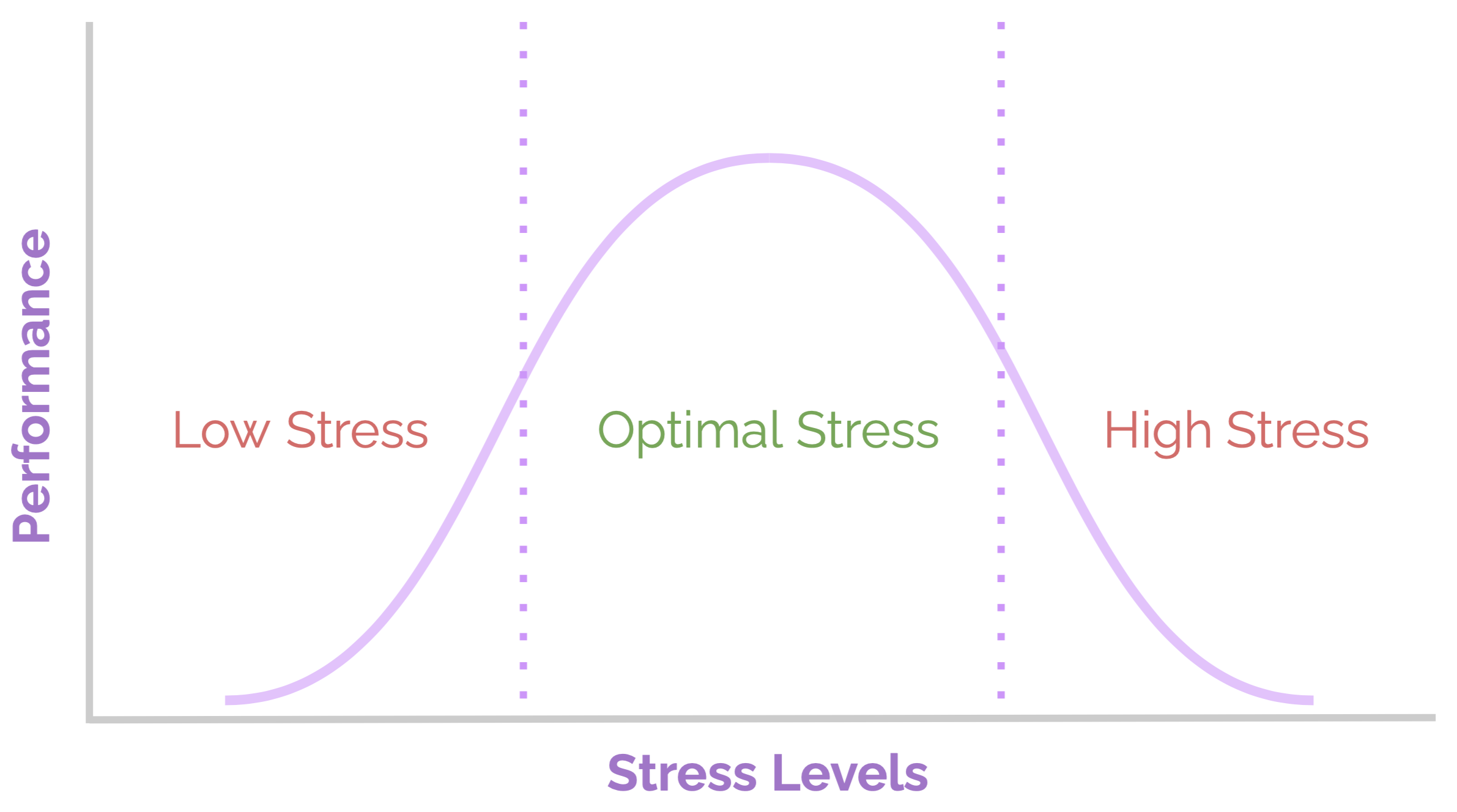
As you may have already gleaned, stress is not entirely harmful. Aside from its ability to help us be better equipped for survival in a threatening or challenging situation, optimal stress levels can actually benefit us to perform better in different situations. One psychological theory, the stress-performance model (also known as the Yerkes–Dodson law), suggests that different stress levels can influence how we perform.
The theory suggests that both overly low or high stress levels can reduce performance. Optimal levels of stress, however, can increase performance, as they motivate us to become more productive and focused on certain tasks, such as at work. But how do we find the optimal level? This can be very individual, but simply put, it’s what one would consider “medium” or moderate levels of stress.
Types of Stress
There are several different types of stress, and each one can affect the body differently. By identifying which types are good for us, we can learn to get rid of the harmful stress while utilizing positive stress as a booster to guide us closer to our goals. Below are few common types:
- Distress: Essentially the negative feelings caused by life events, people experience this type of stress mostly from unpleasant circumstances. In a more everyday example, students may feel distressed about school exams, or workers may experience it when facing an overly-large workload, or burnout from work. In more extreme examples, it could be receiving the diagnosis of a serious illness, or filing for a divorce. Distress harms our overall health.
- Eustress: Eustress is an optimal level of stress experienced when people are facing new challenges in life. Unlike distress, eustress can be beneficial, as it can facilitate growth and development, motivating people to face their challenges, become more resilient, and overcome difficulties. Examples of eustress are starting a new job, or the first date with a potential life partner.
- Acute stress: This type of stress results from adverse life events that are unpredictable and uncontrollable, such as traffic accidents or the sudden death of a loved one. The gist of acute stress is that it is sharp一it can cause a sudden rise in stress levels, but this period of great intensity is usually more short-lived. If it does carry on for a long time after a traumatic event, this type of stress can turn into Post-Traumatic Stress Disorder (PTSD).
- Chronic stress: Chronic stress results from long-term exposure to a challenging situation, keeping stress levels high over time. This type of stress is harmful because it constantly activates the release of stress hormones such as cortisol. Examples of chronic stress include unemployment and debt.
Stressor: Causes of Stress
So what causes stress? As straightforward as it sounds, stress is precipitated by stressors: stimuli that precede a change. These are things that cause stress and exert pressure, stimulating the release of stress hormones.
Just like stress itself, there are various types of stressors. Each has its own characteristics, and some are often associated with specific points in a person’s life. Some common types are as follows:
- Internal stressors: These are stressors that arise from a person’s internal thoughts and feelings. This might include negative self-talk and unrealistic expectations on oneself.
- External stressors: These are stressors that originate from external factors. Some examples include financial burdens, toxic interpersonal relationships, and physical factors such as excessive light or noise.
- Developmental stressors: These come from the experience of growing, and are often encountered when someone is entering a new stage of life, or progressing through a new chapter of their life一whether that’s one that has been actively sought or unexpectedly thrust upon them. For instance, graduating from high school, separation from a caregiver, moving to a new house, adjusting to married life, or undergoing puberty.
- Situational stressors: Situational stressors originate from situations that are beyond one’s control. They are short-term and usually occur in temporary situations. Common examples include natural disasters, being laid off, or making a mistake in front of a group of people, especially where your reputation matters to you.
- Physiological stressors: These stressors arise from poor health conditions. A person with a chronic disease such as cancer or diabetes, or alcohol-related health issues, may encounter physiological stressors.
Signs of Stress
How stress manifests in each person is a very individual experience. Different people can experience different symptoms, even within the same stressful situation. Yet there are still some universal signs of stress. These symptoms are commonly classified into four categories: affective, behavioral, cognitive, and somatic. Some signs for each are listed below:
Affective symptoms:
- Irritability
- Tiredness and fatigue
- Depression
- Anxiety
Behavioral symptoms:
- Teeth grinding
- Tearfulness
- Self-isolation
- Eating too much or too little
- Self-control issues
Cognitive symptoms
- Forgetfulness
- Difficulty concentrating
- Poor judgment
- Negative thinking patterns
- Indecisiveness
Somatic symptoms
- Headaches
- Lack of energy
- Insomnia
- Loss of libido
- Dry mouth
Ways to Relieve Stress
Stress is a normal human response, and it is okay to be stressed at times. However, when it carries on for too long, stress experienced over a prolonged period can lead to serious physical and mental health issues. Regardless of what type of stress you’re experiencing, learning techniques to relieve it can be a vital part of relaxing and regaining control of your life. Try the tips below, and find out which methods suit you best!
- Start a new hobby: Having a hobby can distract you from worrying too much about a stressful situation by taking your mind off it, or giving you something else positive to focus on. They can also boost your mental health in the long run. Don’t have one yet? Try and pinpoint what you enjoy doing most in your spare time, and start from there一or write out a list of those that sound interesting, and try them all out until you find one that makes you light up inside.
- Practice mindfulness: Since mindfulness involves users focusing intensely on the mind for a certain period, practicing it can help you relieve stress as it shifts your attention from worrying about the future to the present moment instead. Most importantly, mindfulness can boost our mood, promoting positive feelings.
- Follow a healthy diet plan: As the saying goes, you are what you eat. Research suggests that eating certain foods can reduce our stress levels一and conversely, others could help contribute to both neurological and physiological effects that could increase these levels. For instance, dark chocolate has been found to help lower cortisol levels, reducing some of the impact of stress, while the rich B-Vitamin content of bananas can help increase serotonin levels, improving mood and reducing anxiety. Certain types of mushrooms are known for their medicinal or nootropic properties ー substances that can enhance cognition and memory, and facilitate learning ー and reishi mushrooms in particular have been lauded for their stress-reducing properties.
- Practice positive daily rituals: meaningful, internally motivated practices. Rituals are powerful, and practicing them daily can keep you energized and empower your day, as well as reducing feelings of anxiety and improving mental health. Common examples of daily rituals include expressing gratitude, repeating positive affirmations, and waking up early.
- Exercise regularly: Physical activity helps reduce stress by stimulating the release of endorphins and dopamine, often called the “happy hormones.” You don’t have to sign up for a gym membership or opt for very intense workouts to develop these habits, either一lighter, more gentle exercise such as walking or slow yoga flows can help keep your stress levels at bay.
- Take part in social activities: Humans are social animals. Psychologists often claim that social interactions benefit us in many ways, stating that spending quality time with friends can boost our mood, and reduce stress and anxiety, while talking to people who are going through similar stressful situations can help you understand that you are not alone in facing your challenges.
- Education and awareness: It is much easier to relieve stress if you understand the psychology behind it. Learning how stress affects health can build greater awareness, and equip you with better tools for coping with it.
It is completely natural to experience stress at times. Everyone does. Just remember, it can be a double-edged sort, with good and bad types existing along a spectrum.
Think about it. What good stress are you feeling, encouraging you to stay on track with your goals? And what bad stress is affecting you negatively? Try to understand its role in your life, and where you can reclaim some of that control. If you feel like stress is starting to take over your life, in a way you cannot manage alone, seek help by reaching out to an expert, such as a therapist, for advice. Finding your ideal balance between these different types of stress could be the key to living a happier and more fulfilling life.
Explore the How to Manage Everyday Stress INFIJOY course to learn more about stress
All of the content on our website is thoroughly researched to ensure that the information shared is evidence-based. For more information, please visit the academic journals that influenced this article: Physiology, Cortisol, How Does Adrenaline Accelerate The Heart?, Physical Task Stress And Speaker Variability In Voice Quality, Role Of Brain Norepinephrine In The Behavioral Response To Stress