How To Protect Your Child from Cyberbullying
Apr 21, 2026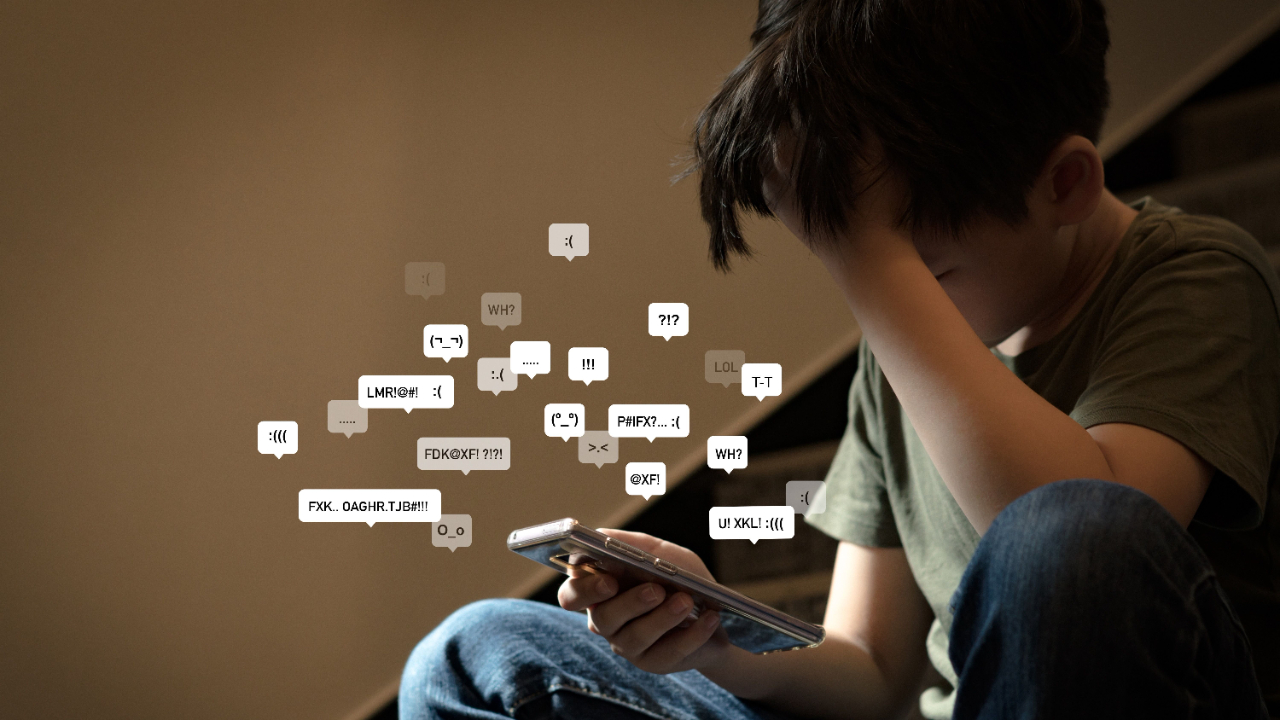
There are many dangers in the world that we hope to protect children from, but the secret nature of some makes them harder to control – and few things can operate as under the radar and insidiously as online bullying.
What is cyberbullying?
Not exclusive to children, cyberbullying is the “willful and repeated harm inflicted through the use of computers, cell phones, and other electronic devices”. It’s probably even more visible in modern times where adults in the public eye, rightly or wrongly, are getting “canceled” and left to deal with noxious toxicity from keyboard warriors.
Around a third of all internet users in the world are children and adolescents under the age of 18, which is a time in their lives of both cognitive growth, and malleable risk-taking. The potential cyberbullying vitriol that is directed at children, which is quite often by other children, may not be as plenteous as it is for adults, but the fallout has the potential to be cripplingly life-altering. To put it in numbers, around 30-40% of people globally have experienced some form of cyberbullying, with 60-87% of teenagers or young people claiming to have suffered from it – and that’s just counting the cases that have actually been reported, or can claim some level of awareness that this is, in fact, what is happening to them. In the case of adults, the numbers can be more difficult to discern, since the lines can be blurred between defining it as bullying or straight-up harassment. However it’s defined, it can lead to a wide range of mental, emotional, and even related physical issues, such as social anxiety, depression, dangerously negative thoughts (such as self-harm), and various forms of distress, as well as behavioral or substance abuse issues, such as eating disorders or addiction to drugs or alcohol. To put it simply, it can lead to some pretty worrisome, and in some cases life-threatening, effects.
Prevention, of course, is better than a cure. So, if it’s possible, why not take some simple steps to protect your child from online bullying?
Understand what you’re looking for
Start by cluing yourself up on how social media and messaging apps work, and whether there are new ones you’ve not considered. It is now fairly commonly-known that apps such as Instagram can lead to a lot of visually-related insecurity and bullying due to its pictorial (and nowadays, often superficial or shallow) nature, but what you might not be aware of is that the Meta-owned platform, according to research, attracts more bullies than even troll-heavy Twitter. YouTube still employs a thumbs down dislike button; TikTok has continued its steady rise in popularity; Facebook has close to 3 billion monthly active users; and WhatsApp’s groups are fertile ground for mocking and singling out the vulnerable. Even the global gaming phenomenon Fortnite allows players to communicate with each other through text and video chat. It would also be prudent to stay up to date with digital slang. While it might seem like friendly banter or nonsensical jibberish to those who aren’t in the know, certain words like “cheugy”, “cheddar”, or “curve” may mean something else to your child.
Set healthy limits
We live in a digital-reliant world, perhaps even more so in recent years. People are setting up business and buying “land” in the metaverse – 20 years after the advent of the Second Life virtual environment – and the last 2 million Bitcoin continues to be mined. But there’s a lot to be said about limiting the time your children spend online. If you set certain timeframes for technology use, you are more inclined to notice any emotional shifts directly before or after a device is commanding a child’s full attention.
Consider alternatives
For the younger children, it’s a little easier to cut bullying off at the source. Finding a replacement for a smartphone, for instance, will limit internet access. If that’s not a reasonable option, there are also numerous ways to implement limited-use parameters within various devices, including most smartphones. Most social media platforms have a minimum age of 13, though, meaning teenagers may have unfettered access to harmful environments. There are numerous child-friendly social media apps and creative online communities for preteens like Spotlite and PopJam which have dedicated moderators monitoring 24 hours a day. You could also consider no-device time, or digital detoxing as a family, with activities such as a daily planned walk in nature, for instance, to help your child find and grow their appreciation for an offline world.
Want to learn more about children's emotions well-being? Join the How to Cultivate Emotional Well-Being in Children & Teens Short Course.
Monitor their accounts
Children are typically susceptible to peer pressure, and may not be as savvy when it comes to judging the honesty or genuineness of those they interact with online. And that’s another reason why it’s important to keep an eye on their social media accounts. The more platforms they use, the more potential there is for them to be exposed to cyberbullying. Store log-in details and passwords to retain access to your child’s accounts, so if you do suspect bullying, you can begin your own investigation and collect all the facts. There are tools available to you, too, to monitor online activity, with parental control dashboards like Bark, mSpy, and OurPact giving you greater control over what they can access and even the amount of time they spend online.
Watch out for warning signs
Knowing your child is a pretty important step to raising them. And while we may be pretty much aware of how simple the task is, it’s not always straightforward, and we can miss subtle cues that your little one is being bullied online. With time and familiarity, children naturally begin to spend more time online. But if there is a noticeable sharp rise or fall in the time your child is spending on their devices, it could be a sign that something’s not right. Take note, too, of how they’re reacting to their screen – are their emotions heightened, or do they try to shield their screen from prying eyes? Being mindful of their usual demeanour and perhaps allowing for acceptable hormonal mood swings will help you catch these warning signs early and protect them from torment.
Be open to conversation
Being approachable, receptive, and empathetic are important traits for making any relationship work, and it’s no different when raising a child, especially if you want to promote greater compassion and mindfulness in them. Having a direct line of communication about online activity, and what cyberbullying looks like, will help your child to not only be more aware of the early signs, but also to feel comfortable coming to you with questions or concerns. Look for age-appropriate teachable moments in your own online activity to help build trust and empower your child to recognise online bullying.
Want your child to be more emotionally resilient? Join the How to Cultivate Emotional Well-Being in Children & Teens Short Course.
If you do suspect your child is being bullied online, don’t immediately fly off the handle. React calmly and compassionately, find out all you can, and document everything. Block the bully, report the situation to the social media app or messaging service’s administrators, and also school officials – who will likely launch their own investigation and bring a sense of justice wherever possible.
Finally, remember to reassure your child that being bullied is not their fault and is most likely just a reflection of the bully’s own problems. Value and celebrate uniqueness, and share ways they can, should they need to, boost their self-esteem.
All of the content on our website is thoroughly researched to ensure that the information shared is evidence-based. For more information, please visit the academic journals and other resources that influenced this article: Teens and Cyberbullying 2022; Cyberbullying Among Adolescents and Children: A Comprehensive Review of the Global Situation, Risk Factors, and Preventive Measures; Effects of Cyberbullying: What Parents and Teenagers Need to Know; Cyberbullying: Twenty Crucial Statistics for 2023; 5 Shocking Cyberbullying Facts Every Parent Should Know